
Optimal Timing for Concrete Leveling
Concrete levelings are most effectively performed during specific weather conditions to ensure optimal results. Timing depends on temperature, humidity, and ground conditions, which influence the curing process and adhesion of the leveling material. Proper scheduling can extend the longevity of the repair and reduce the need for additional work.
Ideal temperatures for concrete levelings are between 50°F and 85°F. Temperatures outside this range can affect the curing process, leading to weaker bonds or cracking.
Dry, mild weather with low humidity is preferred. Avoid performing levelings during rain or when the ground is frozen to prevent moisture issues and improper setting.
Spring and fall generally provide the most suitable conditions. Summer can be appropriate if temperatures are moderate, while winter is typically unsuitable due to freezing temperatures.
The ground should be thawed and free of excessive moisture. Wet or frozen soil can compromise the stability and adhesion of the leveling material.
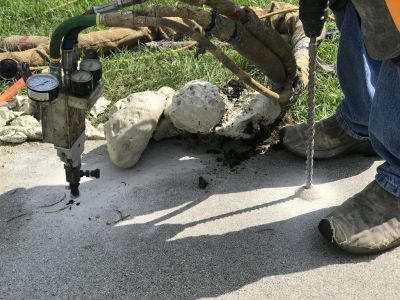
Spring offers moderate temperatures and low humidity, making it ideal for concrete repairs.
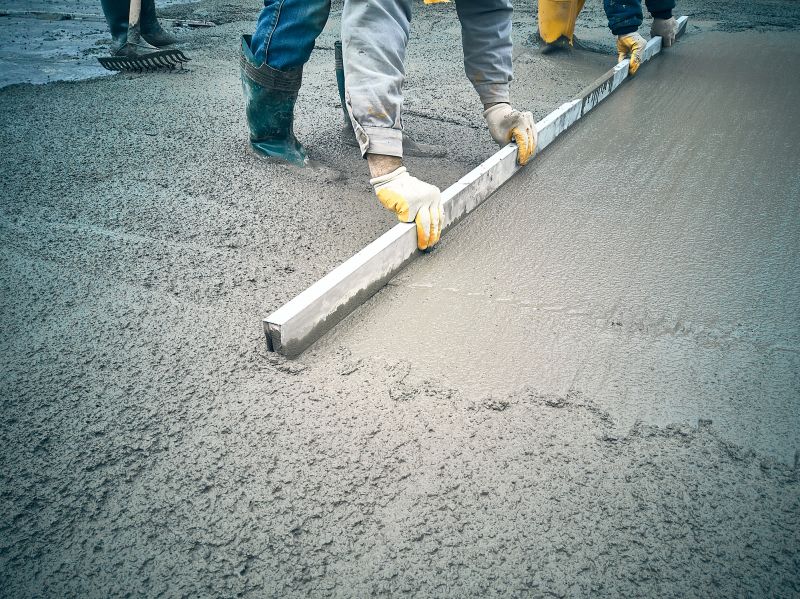
Summer can be suitable if temperatures stay within the optimal range and there is no rain or excessive heat.
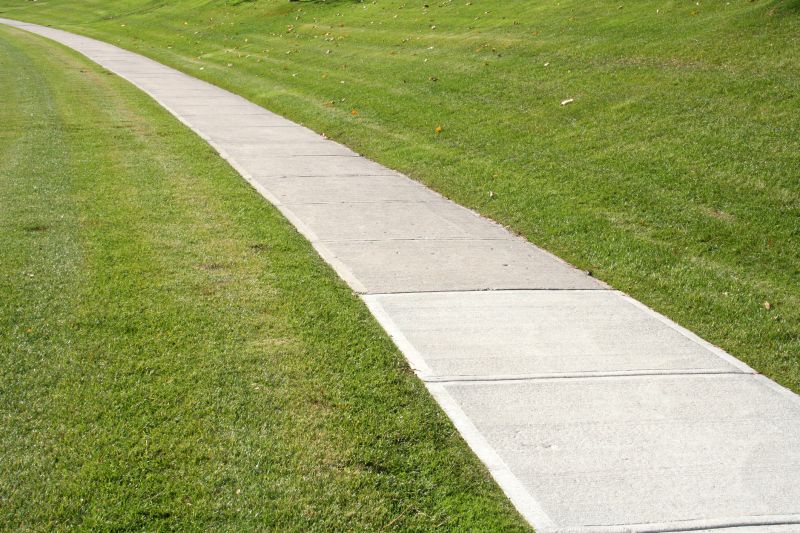
Fall provides cooler temperatures and stable ground conditions, suitable for effective concrete leveling.
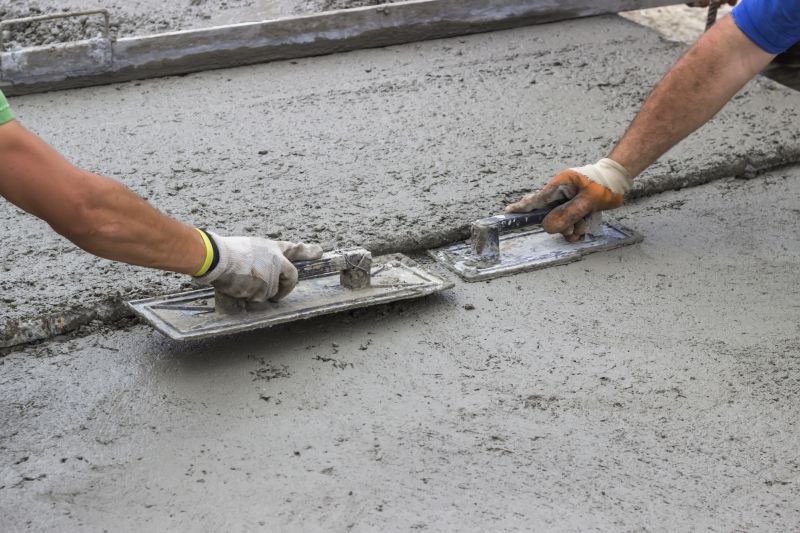
Ways to make Concrete Levelings work in tight or awkward layouts.
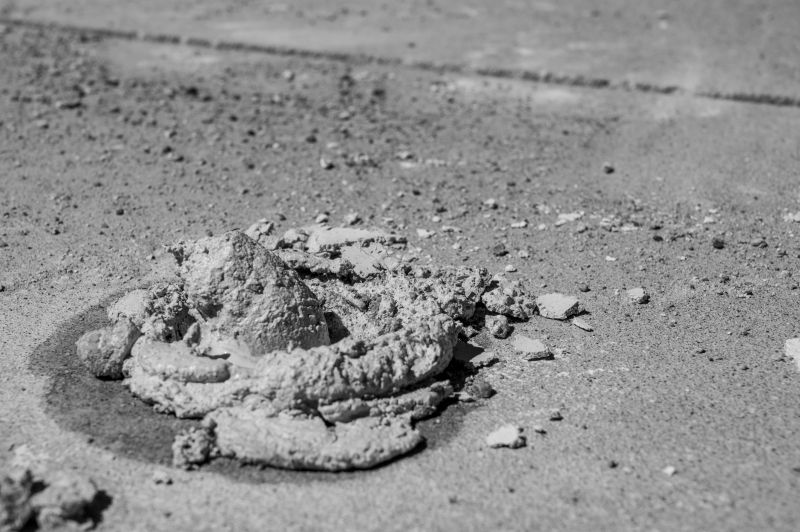
Popular materials for Concrete Levelings and why they hold up over time.
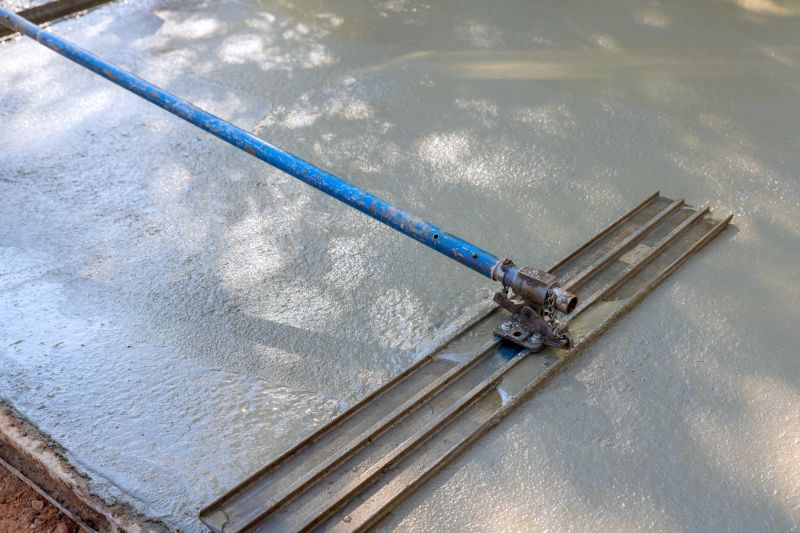
Simple add-ons that improve Concrete Levelings without blowing the budget.
| Season | Suitable Conditions |
|---|---|
| Spring | Moderate temperatures, low humidity, dry weather |
| Summer | Moderate temperatures, avoid extreme heat or rain |
| Fall | Cooler temperatures, dry and stable ground |
| Winter | Not suitable due to freezing temperatures |
| Early Fall | Ideal for scheduling concrete levelings |
Concrete levelings are a cost-effective solution for restoring the surface of uneven or sunken concrete slabs. This process involves injecting a specialized leveling compound beneath the slab to raise it to the desired height. It is commonly used for driveways, sidewalks, and patios, providing a smooth and safe surface without the need for full replacement. Proper timing ensures the material cures correctly, maximizing durability and minimizing future repairs.
Statistics show that concrete levelings can extend the lifespan of existing slabs by several years. When performed during optimal weather conditions, the process reduces the likelihood of cracks and shifting. Scheduling during appropriate seasons also minimizes disruptions and ensures better adhesion of the leveling material, leading to a more stable and long-lasting repair.
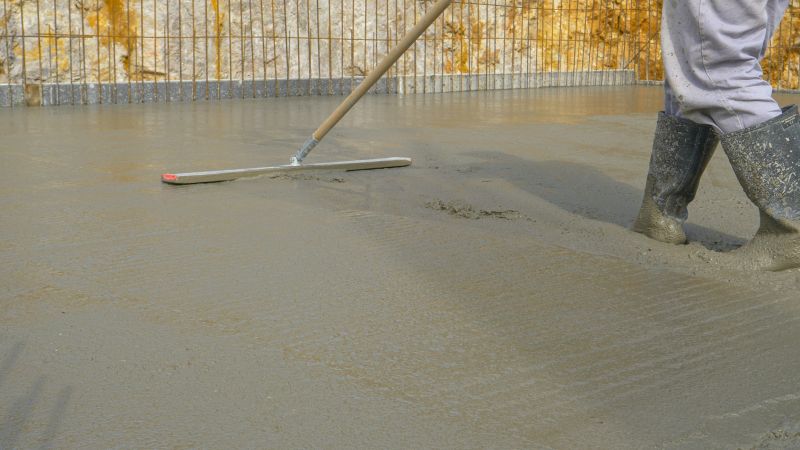
Sunken or uneven concrete slabs detract from appearance and safety.
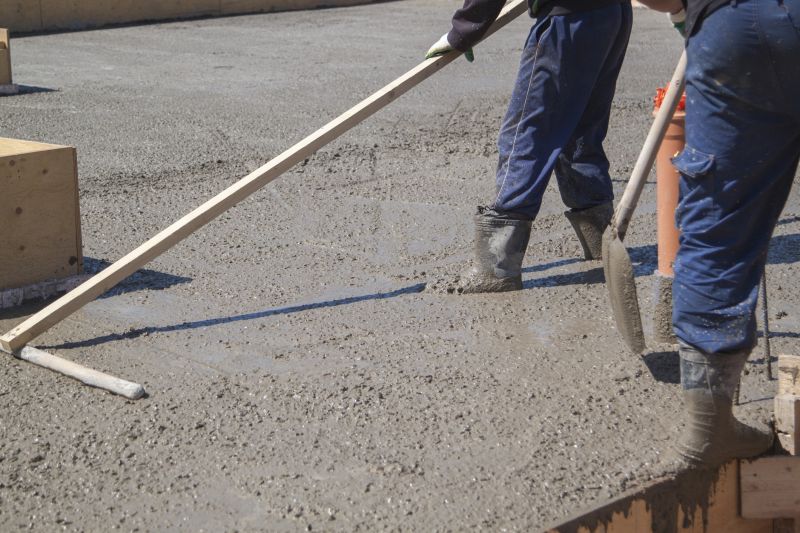
Injection of leveling compound restores the surface to a flat, stable condition.
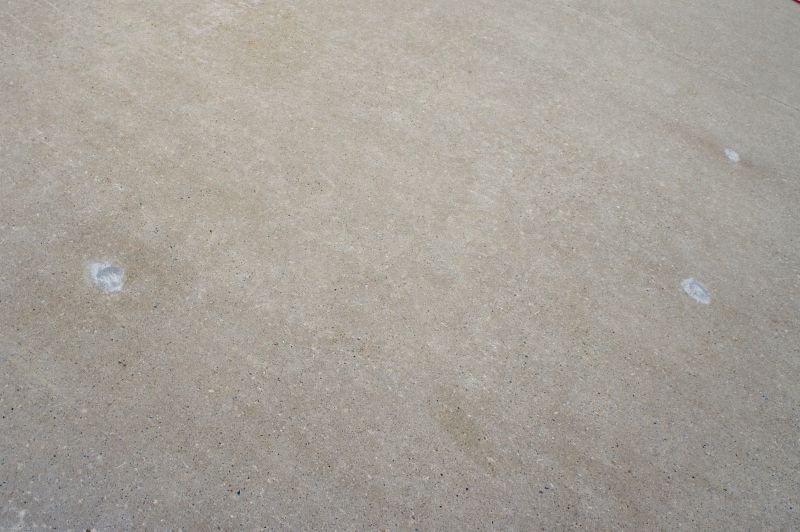
Smooth, level, and ready for use with minimal disruption.
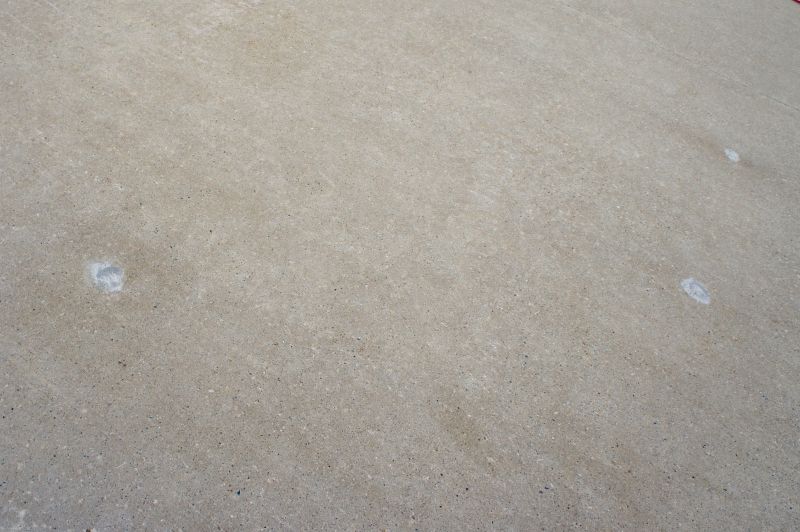
Enhanced safety and appearance extend the lifespan of the slab.
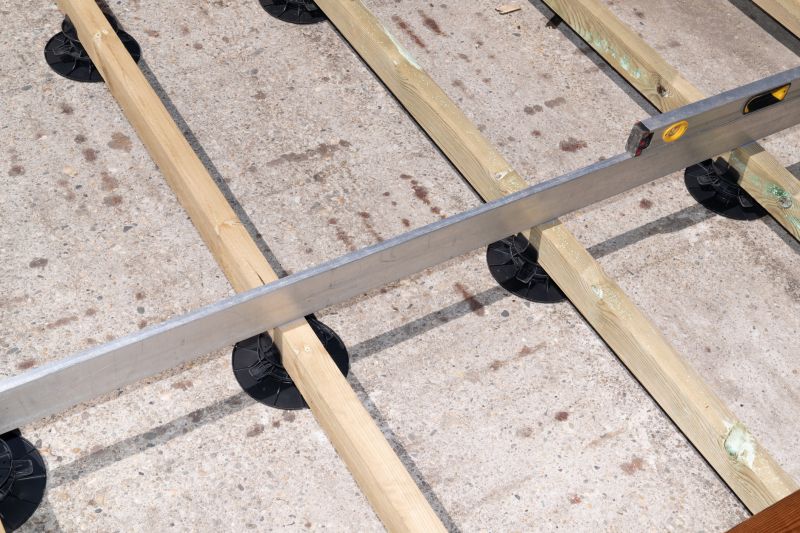
High-end options that actually feel worth it for Concrete Levelings.
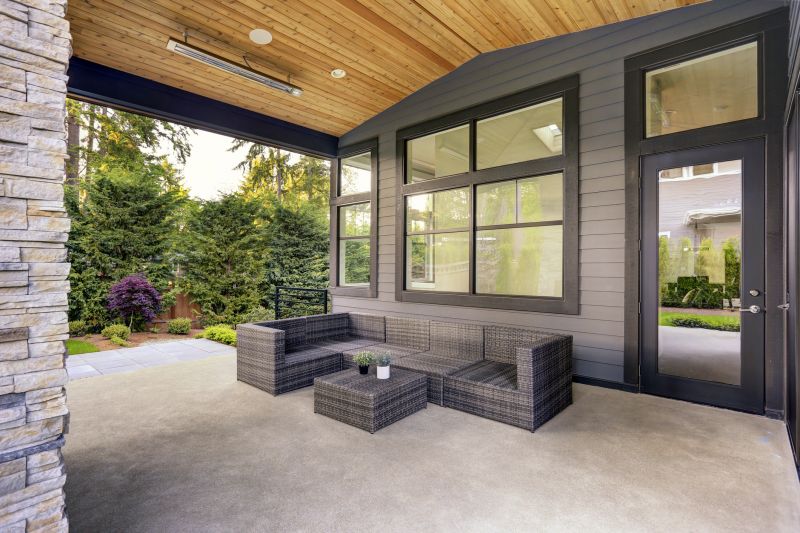
Finishes and colors that play nicely with Concrete Levelings.
Interested in scheduling a concrete leveling service? Filling out a contact form provides an easy way to inquire about available scheduling options and receive detailed information tailored to specific needs. Proper timing can significantly impact the durability and effectiveness of the repair, making professional consultation valuable.